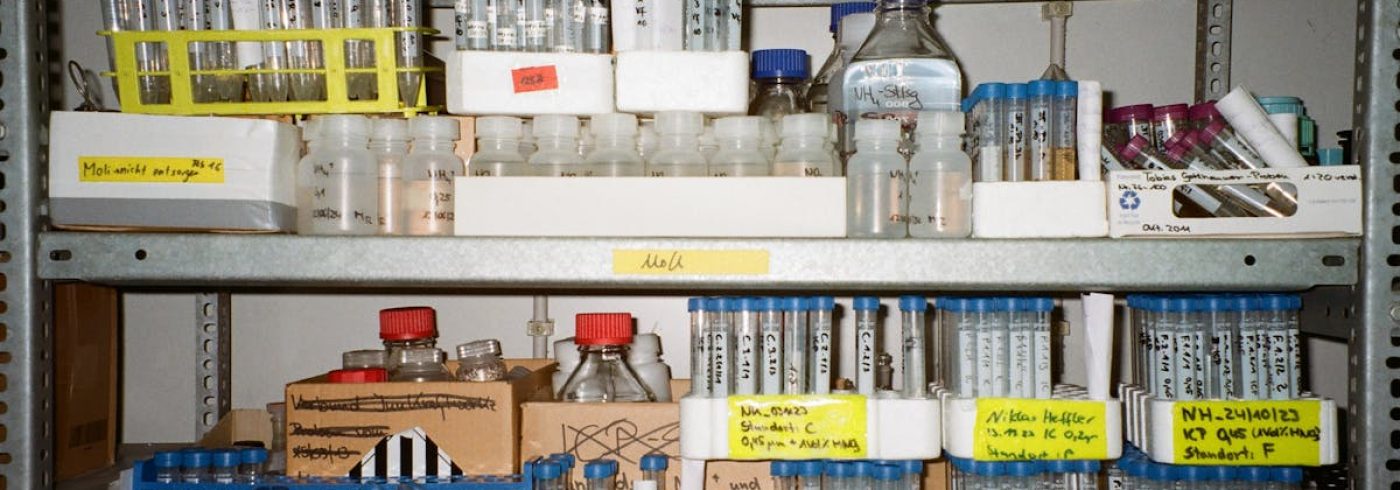
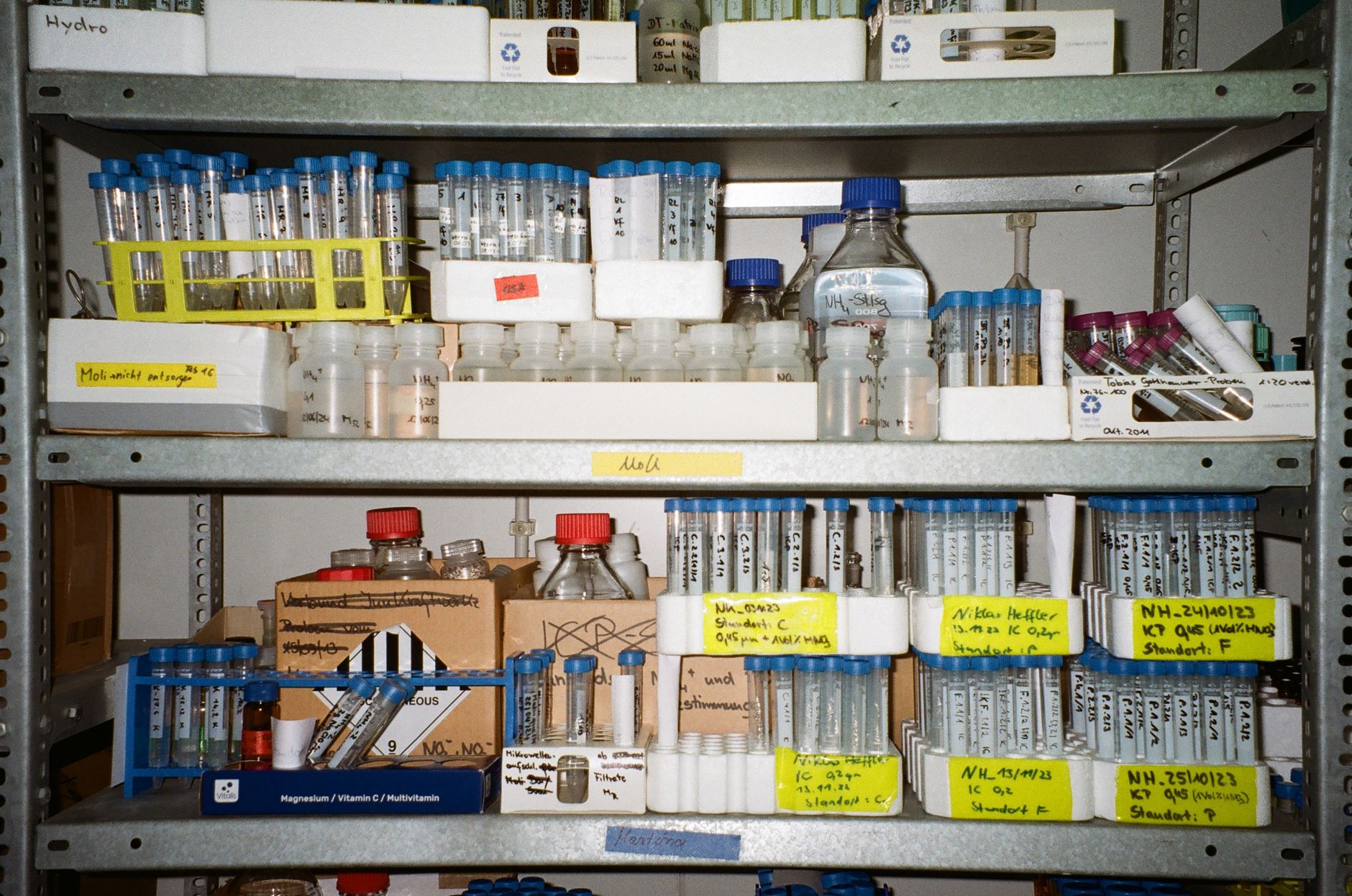
Proper Peptide Storage is crucial to maintaining the efficacy and stability of peptides, such as Cagrilintide 5mg and sermorelin peptide. As we delve into the world of peptide research, it becomes apparent that the way peptides are stored can significantly impact their potency and shelf life. In this comprehensive guide, we will explore the importance of proper peptide storage, the factors that affect peptide stability, and provide best practices for storing peptides, all of which can be found on our website, Peptixa.
Peptides are short chains of amino acids that have a wide range of applications in medicine, research, and other fields. They offer numerous benefits, including improved skin health, increased muscle mass, and enhanced immune function. However, peptides are sensitive molecules that require careful handling and storage to maintain their efficacy. Improper storage can lead to degradation, contamination, or loss of potency, rendering the peptides ineffective. As we cover in our parent guide, “The Ultimate Guide to Peptides,” proper peptide storage is essential to ensuring the quality and effectiveness of these molecules.
What are Peptides?
Peptides are naturally occurring molecules that are composed of amino acids. They can be found in all living organisms and play a crucial role in various biological processes. Peptides have been extensively researched for their potential therapeutic applications, and many have been developed into drugs or supplements, such as Cagrilintide 5mg and sermorelin peptide.
Why is Proper Storage Important?
Proper peptide storage is essential to maintaining the stability and potency of these molecules. Improper storage can lead to degradation, which can result in a loss of efficacy or even render the peptides toxic. Furthermore, contaminated peptides can pose serious health risks to users. By storing peptides properly, researchers and users can ensure the quality and safety of these molecules. → Deep dive: “The Importance of Peptide Purity”
Several factors can affect the stability of peptides, including temperature, light, and humidity. These factors can cause peptides to degrade or become contaminated, leading to a loss of potency or even toxicity. For example, Nicotinamide Adenine Dinucleotide (NAD+) is a sensitive peptide that requires careful handling and storage to maintain its stability.
Temperature
Temperature is a critical factor that affects peptide stability. Most peptides are sensitive to extreme temperatures and require storage at refrigerated or frozen temperatures to maintain their stability. Temperatures above 30°C can cause peptides to degrade rapidly, while temperatures below -20°C can cause them to become inactive.
Light
Light can also affect peptide stability, particularly for peptides that are sensitive to UV radiation. Exposure to light can cause peptides to degrade or become contaminated, leading to a loss of potency or even toxicity. It is essential to store peptides in a dark or low-light environment to maintain their stability.
Humidity
Humidity is another factor that can affect peptide stability. High humidity can cause peptides to become contaminated or degrade, while low humidity can cause them to become inactive. It is essential to store peptides in a controlled environment with a relative humidity of 50-60% to maintain their stability. → Deep dive: “The Effects of Humidity on Peptide Stability”
Best Practices for Peptide Storage
Proper peptide storage requires careful attention to detail and adherence to best practices. Researchers and users can ensure the stability and potency of peptides by following these guidelines. For example, sermorelin peptide requires refrigeration at 2-8°C to maintain its stability.
Refrigeration
Refrigeration is a critical step in peptide storage. Most peptides require storage at refrigerated temperatures (2-8°C) to maintain their stability. It is essential to store peptides in a refrigerator that maintains a consistent temperature and has a backup power source in case of a power outage.
Freezing
Freezing is another option for peptide storage, particularly for long-term storage. Freezing can help to maintain the stability of peptides by reducing the rate of degradation. However, it is essential to follow proper freezing and thawing procedures to avoid damaging the peptides.
Handling
Proper handling is critical to maintaining the stability and potency of peptides. Researchers and users should handle peptides with care, avoiding exposure to light, heat, and humidity. It is essential to wear gloves and use aseptic techniques when handling peptides to prevent contamination. → Deep dive: “The Importance of Proper Peptide Handling”
In conclusion, proper peptide storage is essential to maintaining the efficacy and stability of peptides. By following best practices and understanding the factors that affect peptide stability, researchers and users can ensure the quality and safety of these molecules. For more information on peptide storage and handling, please visit our website or Contact Us. If you are looking to purchase high-quality peptides, such as Cagrilintide 5mg or sermorelin peptide, please visit our product page.
Frequently Asked Questions
Below are some frequently asked questions about peptide storage:
Q: What is the best way to store peptides?
A: The best way to store peptides is in a refrigerated environment (2-8°C) or frozen (-20°C) to maintain their stability.
Q: How long can peptides be stored?
A: The shelf life of peptides depends on the specific peptide and storage conditions. Generally, peptides can be stored for several months to a year when stored properly.
Q: Can peptides be stored at room temperature?
A: No, peptides should not be stored at room temperature, as this can cause degradation and loss of potency. It is essential to store peptides in a controlled environment to maintain their stability.
Q: What happens if peptides are not stored properly?
A: If peptides are not stored properly, they can become degraded, contaminated, or inactive, leading to a loss of potency or even toxicity. It is essential to follow proper storage and handling procedures to ensure the quality and safety of peptides.
Nec ullamcorper sit amet risus nullam eget. Sed odio morbi quis commodo odio. Arcu cursus euismod quis viverra. Sed adipiscing diam donec adipiscing.Tempor orci eu lobortis elementum nibh. Duis tristique sollicitudin nibh sit amet commodo nulla facilisi
Discover the world of peptides and their benefits. Learn what peptides are, how they work, and their potential applications in health and wellness. Get the latest research and insights on peptide therapy.
Discover the art of peptide stacking and how to combine peptides for enhanced benefits. Learn about the best peptide stacks for weight loss, anti-aging, and recovery.
Discover the benefits and applications of NAD+ therapy, a revolutionary approach to anti-aging and wellness. Learn how to unlock its potential for a healthier you.