Which Counties Offer Slot Machines In Uk
Which Counties Offer Slot Machines In Uk One can hold games in private homes or


Peptide therapy has been gaining attention in recent years due to its potential benefits for health and wellness. As a form of treatment that utilizes short chains of amino acids, also known as peptides, to promote healing and regeneration, peptide therapy is being explored for its potential to address a range of health concerns, from weight loss and anti-aging to wound healing and tissue repair. In this comprehensive guide, we will explore the world of peptide therapy, including its history, types, and applications, to help you understand the potential benefits and uses of peptide therapy. As we cover in our comprehensive guide, peptide therapy is a rapidly evolving field that holds great promise for improving human health and wellness.
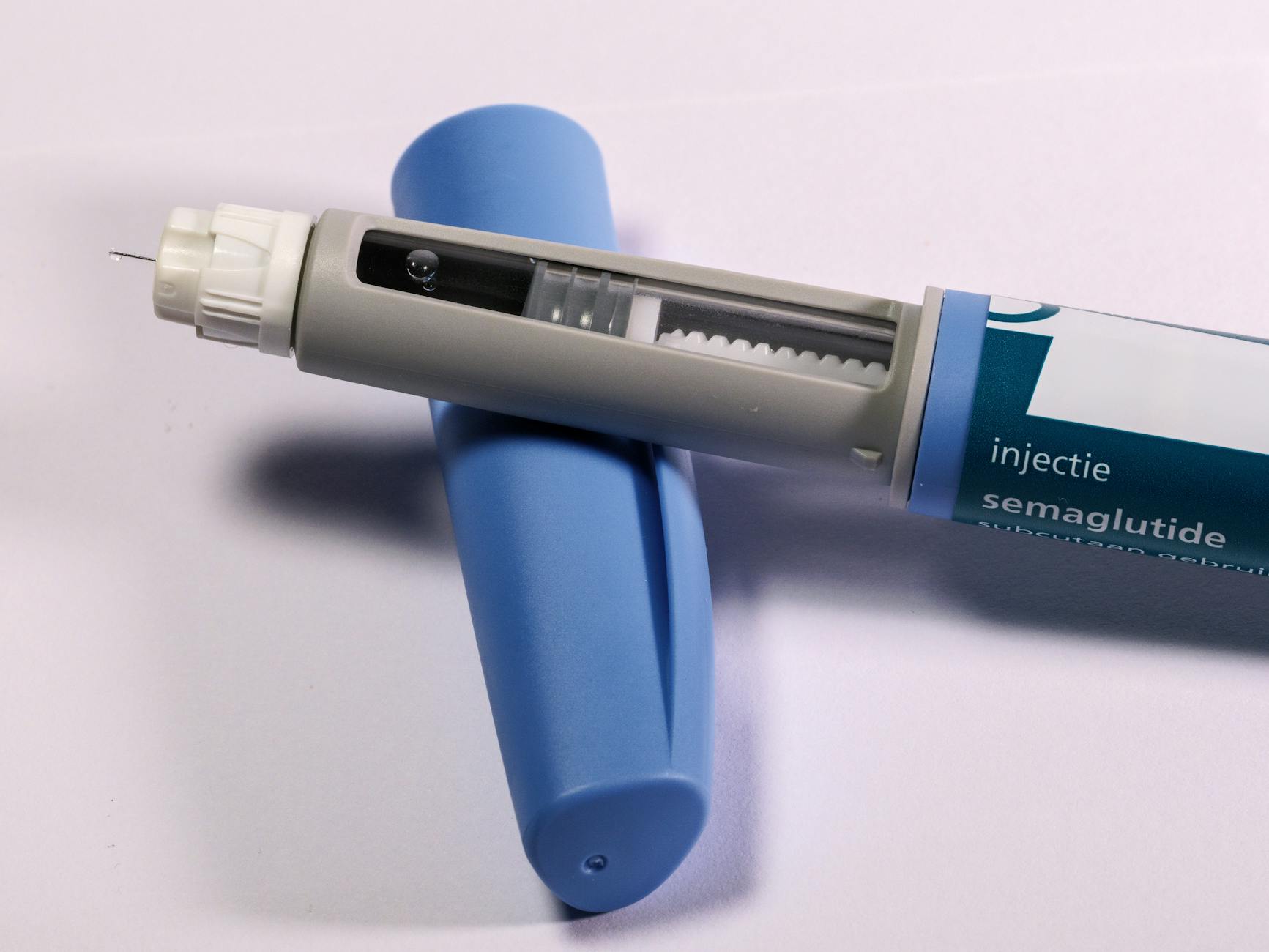
Peptide therapy is a form of treatment that utilizes short chains of amino acids, or peptides, to promote healing and regeneration. The use of peptides in medicine dates back to the 1970s, when researchers first discovered the potential of peptides to stimulate the release of growth hormone, a hormone that plays a crucial role in growth and development. Since then, researchers have made significant progress in understanding the role of peptides in human health and have developed a range of peptide-based therapies to address a range of health concerns. Peptides are short chains of amino acids that are linked by peptide bonds, and they play a crucial role in many bodily functions, including hormone regulation, immune function, and tissue repair.
Peptides are short chains of amino acids that are linked by peptide bonds. They are smaller than proteins, which are long chains of amino acids, and they play a crucial role in many bodily functions, including hormone regulation, immune function, and tissue repair. Peptides can be found naturally in the body, and they can also be synthesized in a laboratory for use in medicine.
The use of peptides in medicine dates back to the 1970s, when researchers first discovered the potential of peptides to stimulate the release of growth hormone. Since then, researchers have made significant progress in understanding the role of peptides in human health and have developed a range of peptide-based therapies to address a range of health concerns. Today, peptide therapy is being used to treat a range of conditions, including growth hormone deficiency, weight loss, and anti-aging. For more information on peptide therapy, visit Peptixa2. → Deep dive: The Role of Peptides in Anti-Aging: A Deep Dive
There are many different types of peptides, each with its own unique function and application. Growth hormone releasing peptides, such as sermorelin peptide, are used to stimulate the release of growth hormone, which can help to promote growth and development. Anti-aging peptides, such as those used in anti-aging peptides, are used to promote skin health and reduce the visible signs of aging.
Growth hormone releasing peptides are used to stimulate the release of growth hormone, which can help to promote growth and development. These peptides can be used to treat growth hormone deficiency, which can cause a range of symptoms, including short stature and delayed puberty.
Anti-aging peptides are used to promote skin health and reduce the visible signs of aging. These peptides can help to improve skin elasticity, reduce fine lines and wrinkles, and promote collagen production. For more information on anti-aging peptides, visit anti-aging peptides. → Deep dive: Unlocking Anti-Aging Peptides: A Deep Dive

Peptide therapy is being used to treat a range of conditions, including weight loss and wellness. Peptides such as Cagrilintide 5mg are used to promote weight loss by reducing appetite and increasing feelings of fullness. Peptide therapy can also be used to improve overall wellness by promoting skin health, reducing inflammation, and improving immune function. For more information on peptide therapy for weight loss, visit Tirzepatide for weight loss. Additionally, peptide cycling and stacking can be used to enhance the benefits of peptide therapy.
Tirzepatide is a peptide that is used to promote weight loss by reducing appetite and increasing feelings of fullness. It works by stimulating the release of hormones that help to regulate appetite and metabolism, leading to weight loss and improved overall health. For more information on Tirzepatide, visit Tirzepatide for weight loss.
Peptide cycling and stacking involve using multiple peptides in combination to enhance their benefits. This can help to improve the effectiveness of peptide therapy and reduce the risk of side effects. For more information on peptide cycling and stacking, visit peptide cycling and stacking. → Deep dive: Peptide Cycling: A Comprehensive Guide to Benefits and Protocols
Peptide therapy is being used to promote anti-aging and regenerative medicine. Peptides such as Nicotinamide Adenine Dinucleotide (NAD+) are used to promote cellular health and reduce the visible signs of aging. Peptide therapy can also be used to promote tissue repair and regeneration, leading to improved overall health and wellness. For more information on peptide therapy for anti-aging, visit The Role of Peptides in Anti-Aging: A Deep Dive.
Epitalon peptide is a peptide that is used to promote anti-aging and regenerative medicine. It works by stimulating the release of hormones that help to regulate cellular health and reduce the visible signs of aging. For more information on Epitalon peptide, visit Unlock Epitalon Peptide Benefits for Anti-Aging.
Nicotinamide Adenine Dinucleotide (NAD+) is a peptide that is used to promote cellular health and reduce the visible signs of aging. It works by stimulating the release of hormones that help to regulate cellular health and reduce inflammation. For more information on NAD+, visit The Role of Peptides in Anti-Aging: A Deep Dive. → Deep dive: GHK Cu Peptide: Benefits, Research, and Uses
In conclusion, peptide therapy is a rapidly evolving field that holds great promise for improving human health and wellness. As research continues to uncover the benefits and applications of peptides, we can expect to see new and innovative uses for peptide therapy. For those interested in learning more, we recommend exploring our shop for peptide-related products. Additionally, for more information on peptide therapy for weight loss, visit Tirzepatide for Weight Loss: Benefits, Dosage, and Side Effects. → Deep dive: Unlocking Peptide Blends: Benefits and Applications
Peptide therapy is currently being used to treat a range of conditions, including weight loss, anti-aging, and regenerative medicine. As research continues to uncover the benefits and applications of peptides, we can expect to see new and innovative uses for peptide therapy.
Future research directions for peptide therapy include exploring the use of peptides for a range of conditions, including cancer, diabetes, and Alzheimer’s disease. Additionally, researchers are working to develop new and innovative peptide-based therapies, such as peptide blends and stacks, to enhance the benefits of peptide therapy.
Below are some frequently asked questions about peptide therapy:
Q: What are peptides and how do they work?
A: Peptides are short chains of amino acids that are linked by peptide bonds. They work by stimulating the release of hormones that help to regulate a range of bodily functions, including growth and development, metabolism, and immune function.
Q: What are the benefits of peptide therapy?
A: The benefits of peptide therapy include improved growth and development, increased muscle mass, improved skin health, and reduced inflammation.
Q: Are peptides safe and effective?
A: Peptides are generally considered safe and effective when used as directed. However, as with any medical treatment, there is a risk of side effects, and peptides should only be used under the guidance of a qualified healthcare professional.
Q: Where can I buy peptide-related products?
A: Peptide-related products can be found at our shop. We recommend consulting with a qualified healthcare professional before starting any new medical treatment, including peptide therapy.

One Response