Which Counties Offer Slot Machines In Uk
Which Counties Offer Slot Machines In Uk One can hold games in private homes or

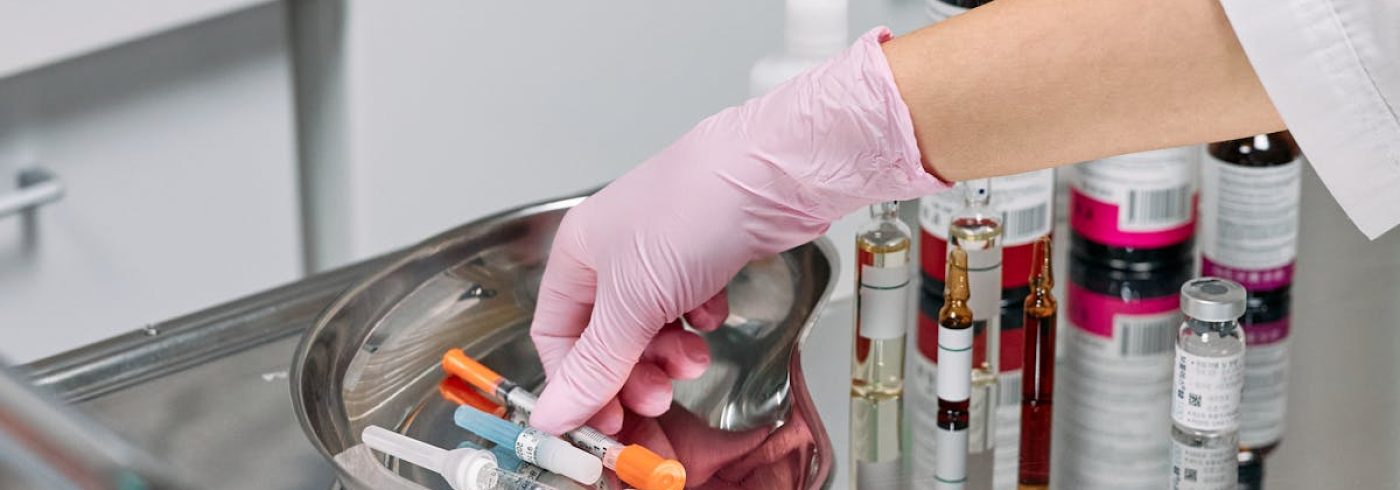
As the quest for eternal youth continues, researchers have turned their attention to a promising area of study: anti-aging peptides. These short chains of amino acids have shown tremendous potential in revolutionizing health and wellness by promoting cellular renewal, reducing inflammation, and enhancing overall bodily function. Anti-aging peptides are being hailed as a game-changer in the fight against aging, and it’s essential to understand their benefits, mechanisms, and applications to unlock their full potential.
As we cover in our peptide therapy guide, the world of peptides is vast and complex, with various types of peptides offering unique benefits. In this article, we will delve into the realm of anti-aging peptides, exploring their definition, mechanisms, applications, and safety. By the end of this comprehensive guide, you will have a deep understanding of how anti-aging peptides can help you achieve optimal health and wellness.

Anti-aging peptides are short chains of amino acids that occur naturally in the body. They play a crucial role in maintaining cellular health, regulating inflammation, and promoting tissue repair. These peptides can be found in various forms, including oral supplements, topical creams, and injectables. The importance of peptide research cannot be overstated, as it has led to the development of innovative therapies that can help mitigate the effects of aging.
Anti-aging peptides are typically between 2 and 50 amino acids in length and are designed to mimic the natural peptides found in the body. They can be classified into several categories, including growth hormone-releasing peptides, melanocyte-stimulating peptides, and thymosin peptides. Each type of peptide has a unique mechanism of action and can be used to address specific health concerns, such as skin aging, muscle wasting, or immune dysfunction.
The benefits of anti-aging peptides are numerous and well-documented. They can help improve skin texture and reduce wrinkles, enhance muscle mass and strength, and boost the immune system. Additionally, anti-aging peptides have been shown to have anti-inflammatory and antioxidant properties, which can help protect against chronic diseases such as cancer, diabetes, and cardiovascular disease. → Deep dive: peptide therapy
So, how do anti-aging peptides work their magic? The mechanisms behind these peptides are complex and multifaceted. One key mechanism is cellular renewal, where peptides stimulate the production of new cells and tissues, leading to improved skin texture, muscle growth, and organ function. Another mechanism is inflammation reduction, where peptides help to regulate the immune system and reduce chronic inflammation, which is a hallmark of aging. The Epitalon Peptide is a prime example of an anti-aging peptide that has been shown to have potent anti-inflammatory and antioxidant effects.
Cellular renewal is a critical process that helps to maintain tissue health and function. As we age, our cells’ ability to renew and regenerate declines, leading to a range of age-related diseases. Anti-aging peptides can help to stimulate cellular renewal by activating specific signaling pathways that promote cell growth, differentiation, and survival. This can lead to improved skin texture, reduced wrinkles, and enhanced muscle mass and strength.
Chronic inflammation is a major contributor to aging and age-related diseases. Anti-aging peptides can help to reduce inflammation by regulating the immune system and inhibiting pro-inflammatory signaling pathways. This can lead to a range of benefits, including improved cardiovascular health, reduced cancer risk, and enhanced cognitive function. The Epitalon Peptide is a potent anti-inflammatory peptide that has been shown to have beneficial effects on cardiovascular health and immune function. → Deep dive: the science of peptide therapy

Anti-aging peptides have a wide range of applications, from skin health and muscle recovery to weight loss and overall wellness. One of the most exciting applications of anti-aging peptides is in the area of skin health, where they can help to improve skin texture, reduce wrinkles, and enhance collagen production. The Glow Blend Peptides is a popular product that combines multiple anti-aging peptides to promote radiant, youthful-looking skin.
Skin health is a critical aspect of overall health and wellness. As we age, our skin undergoes a range of changes, including reduced collagen production, increased wrinkles, and impaired skin texture. Anti-aging peptides can help to address these changes by stimulating collagen production, reducing inflammation, and promoting cellular renewal. This can lead to improved skin texture, reduced wrinkles, and a more youthful appearance.
Muscle recovery is essential for maintaining muscle mass and strength, particularly as we age. Anti-aging peptides can help to promote muscle recovery by reducing inflammation, enhancing cellular renewal, and stimulating the production of new muscle tissue. This can lead to improved muscle function, reduced muscle soreness, and enhanced overall physical performance. → Deep dive: the benefits of peptide therapy for athletes
While anti-aging peptides are incredibly powerful on their own, they can be even more effective when combined with other therapies. One popular approach is peptide cycling and stacking, where multiple peptides are used in combination to achieve specific health goals. Another approach is to combine anti-aging peptides with Nicotinamide Adenine Dinucleotide (NAD+) therapy, which can help to enhance cellular energy production and promote overall health and wellness.
Peptide cycling and stacking involve using multiple peptides in combination to achieve specific health goals. This approach can be highly effective, as it allows individuals to tailor their peptide therapy to their unique needs and health concerns. For example, combining anti-aging peptides with growth hormone-releasing peptides can help to enhance muscle growth and strength, while combining them with thymosin peptides can help to boost the immune system.
NAD+ therapy involves using supplements or injections to boost levels of Nicotinamide Adenine Dinucleotide (NAD+), a critical coenzyme that plays a central role in cellular energy production. Combining NAD+ therapy with anti-aging peptides can help to enhance cellular energy production, promote cellular renewal, and reduce inflammation. This can lead to a range of benefits, including improved cognitive function, enhanced physical performance, and reduced risk of chronic diseases. → Deep dive: peptide cycling and stacking
While anti-aging peptides are generally considered safe and well-tolerated, there are potential side effects and interactions to be aware of. It’s essential to consult with a healthcare professional before starting any peptide therapy, as they can help you determine the best course of treatment and monitor your progress. Additionally, it’s crucial to choose high-quality peptides from a reputable supplier to ensure maximum safety and efficacy.
While anti-aging peptides are generally well-tolerated, there are potential side effects to be aware of. These can include injection site reactions, such as redness, swelling, and bruising, as well as systemic side effects, such as fatigue, headaches, and nausea. In rare cases, anti-aging peptides can also interact with other medications or exacerbate underlying health conditions.
Clinical trials and research are ongoing to fully understand the safety and efficacy of anti-aging peptides. While the current evidence is promising, more studies are needed to confirm the long-term benefits and potential risks of peptide therapy. As with any medical treatment, it’s essential to approach peptide therapy with caution and consult with a healthcare professional before starting any new therapy. → Deep dive: contact a healthcare professional
In conclusion, anti-aging peptides offer a promising approach to promoting health and wellness, particularly as we age. By understanding the benefits, mechanisms, and applications of these peptides, individuals can make informed decisions about their health and wellness. If you’re considering anti-aging peptide therapy, be sure to consult with a healthcare professional to determine the best course of treatment for your unique needs and health concerns. To learn more about peptide therapy and how it can benefit you, visit our shop to explore our range of anti-aging peptides and other health supplements.
Q: What are anti-aging peptides, and how do they work?
A: Anti-aging peptides are short chains of amino acids that occur naturally in the body. They work by stimulating cellular renewal, reducing inflammation, and promoting tissue repair, leading to improved skin texture, muscle growth, and overall health and wellness.
Q: Are anti-aging peptides safe and effective?
A: Anti-aging peptides are generally considered safe and well-tolerated, but as with any medical treatment, there are potential side effects and interactions to be aware of. It’s essential to consult with a healthcare professional before starting any peptide therapy to determine the best course of treatment and monitor your progress.
Q: Can I combine anti-aging peptides with other therapies?
A: Yes, anti-aging peptides can be combined with other therapies, such as NAD+ therapy, to enhance their effects. However, it’s essential to consult with a healthcare professional before combining any therapies to ensure safety and efficacy.
Q: Where can I buy anti-aging peptides?
A: Anti-aging peptides can be purchased from reputable suppliers, such as Peptixa, which offers a range of high-quality peptides and other health supplements. Be sure to consult with a healthcare professional before starting any new therapy to determine the best course of treatment for your unique needs and health concerns.
2 Responses